Kingsbury Primary Special School
SEND and Safeguarding
Why SEND children can be more vulnerable
Children with Special Educational Needs and Disabilities (SEND) may face additional safeguarding risks because they may:
- Have communication differences that make it harder to express worries or report concerns.
- Find it difficult to recognise unsafe situations or understand risk.
- Depend on adults for support with personal or intimate care.
- Experience social isolation or fewer friendship opportunities.
- Be less likely to report abuse or neglect.
- Need additional support to understand personal boundaries, relationships and consent.
At Kingsbury, we recognise these additional vulnerabilities and are committed to ensuring that every child feels safe, heard and respected. We work closely with families and partner agencies to provide a protective environment where pupils can develop confidence, independence and self-advocacy skills.
Where pupils require support with personal or intimate care, individualised Intimate Care Plans are developed in partnership with families. These plans help ensure that care is delivered consistently, respectfully and in a way that protects the dignity, wellbeing and safety of each child.
How We Keep Children Safe
At Kingsbury, we empower our pupils to communicate through our Total Communication Approach. We recognise that communication looks different for every child, and we use a range of methods to ensure that all pupils can express their thoughts, feelings, choices and concerns.
During learning activities, personal care and throughout the school day, staff use communication strategies tailored to individual pupils. These may include:
- Makaton
- Communication symbols
- Objects of reference
- Visual timetables
- Communication boards
- Assistive technology and AAC systems
We also use a range of communication tools to help children share their emotions, worries and experiences. These approaches provide pupils with greater autonomy and help ensure that every child has a voice.
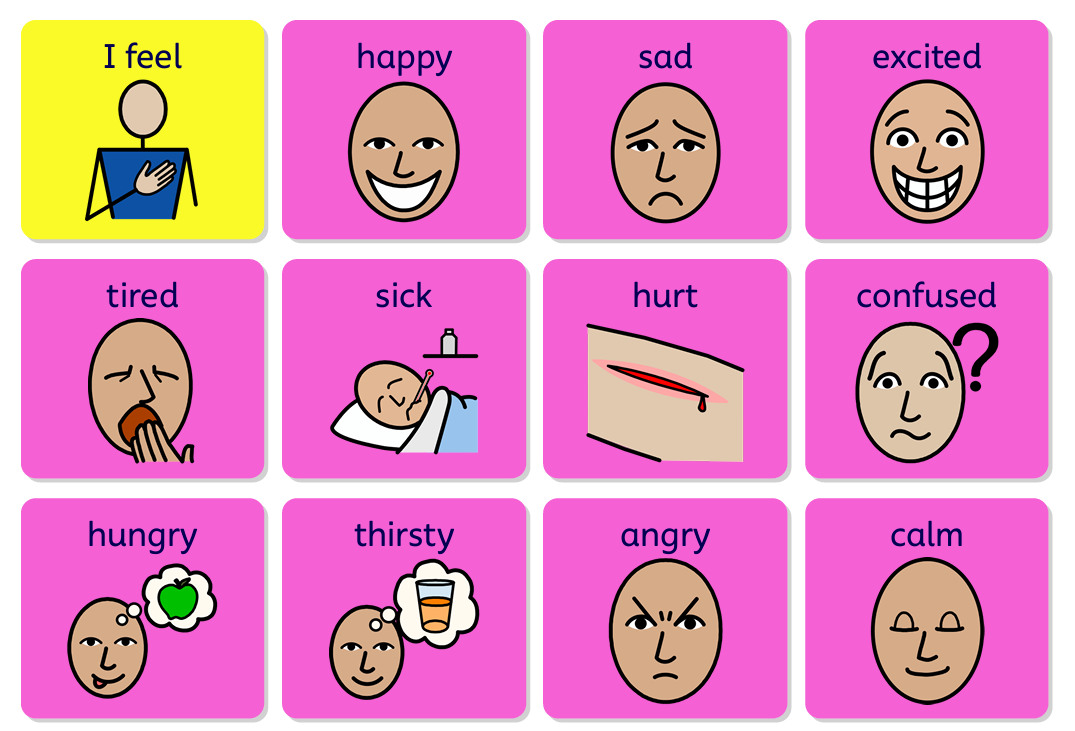
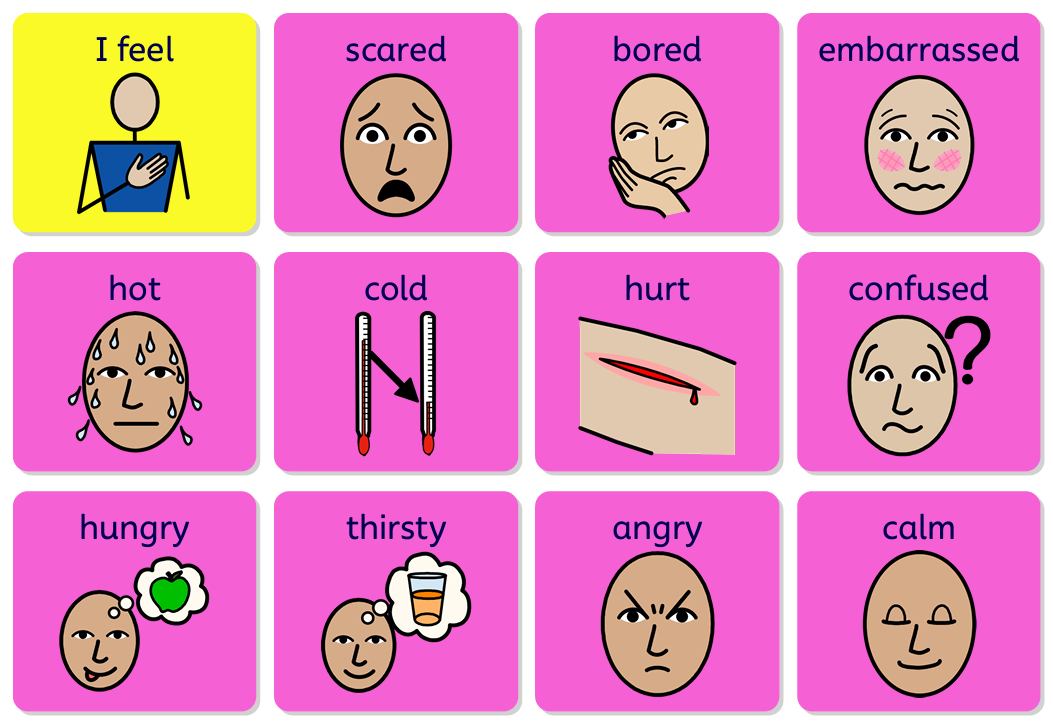
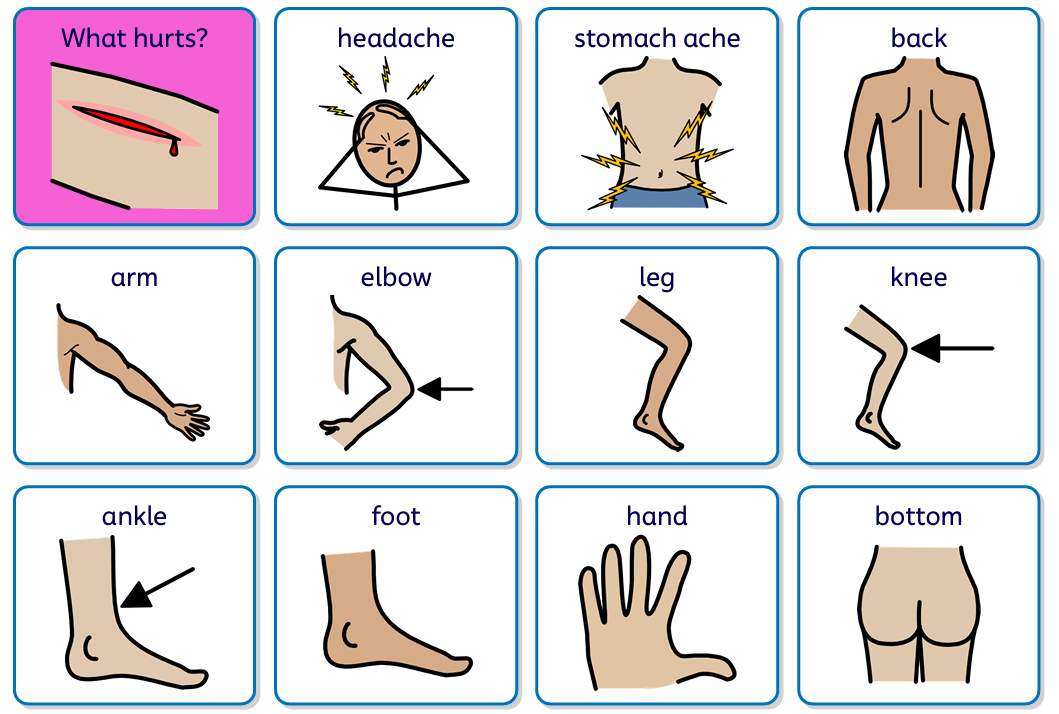
For pupils who require adult support with personal or intimate care, individual Intimate Care Plans are in place and reviewed regularly. Staff receive specialist training to ensure that care is delivered safely, consistently and with respect for each child's dignity and independence.
All staff receive regular safeguarding training, including updates on current safeguarding issues, SEND-specific vulnerabilities and effective communication strategies. Training takes place through INSET days, ongoing professional development and regular safeguarding updates throughout the year to ensure staff remain confident in identifying concerns and supporting every pupil, regardless of their communication needs.
Teaching Personal Safety
At Kingsbury, pupils are taught personal safety through our curriculum. This includes:
- Understanding trusted adults
- Healthy and unhealthy relationships
- Consent and personal boundaries
- Keeping safe online
- Recognising feelings and emotions
- Understanding public and private behaviours
- Knowing how to ask for help
Working with Families
We work in partnership with parents, carers and external professionals to ensure that every child receives the right support at the right time. Open communication between home and school is a vital part of keeping children safe.
Additional Resources
NSPCC advice on safeguarding children with SEND
Children with special educational needs and disabilities (SEND) | NSPCC Learning
 Safeguarding Network
Specific Risks for Children with SEND | Safeguarding Network

Contact - advice for families with disabled children